Double Glazed uPVC Casement Windows in Melbourne
Melbourne's swing between hot northerlies and cold southerly changes puts real strain on ageing aluminium and timber window frames draughts, condensation, street noise and rising energy bills follow. Lumeta's uPVC double glazed casement windows pair a multi-chamber uPVC frame with insulated glazing and a full-compression seal, giving Melbourne homes better thermal control, quieter interiors and stronger security than standard single-glazed windows.
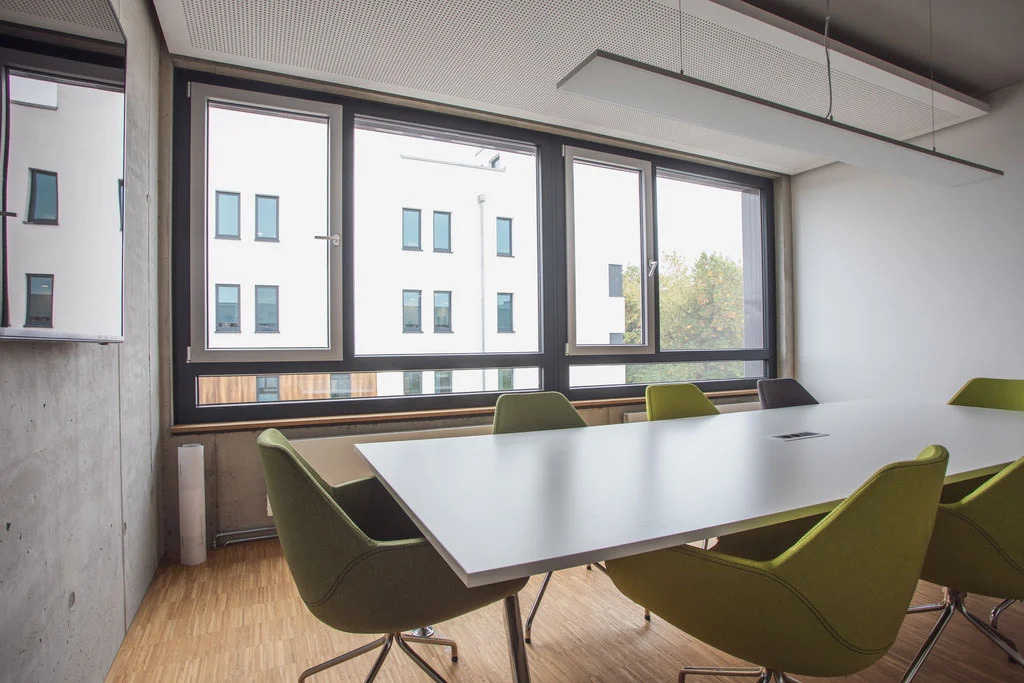
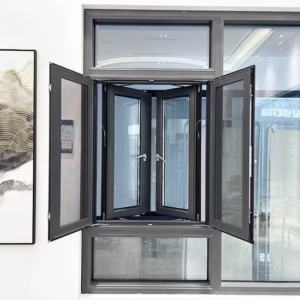
uPVC double glazed casement windows are hinged windows that open outward using a crank handle, built from a multi-chamber uPVC frame and two panes of glass separated by an insulating gap. Because the sash compresses fully against the frame when closed, they typically seal more tightly than sliding windows — improving thermal insulation, noise reduction and security in Melbourne homes.
Benefits of uPVC Double Glazed Casement Windows
Homeowners replacing old frames and builders specifying windows for new builds are typically weighing up the same factors: comfort, noise, security, maintenance and long-term value. Casement windows in double glazed uPVC address each of these directly.
Full compression seal reduces draughts more effectively than sliding sash designs
Two panes of glass with an insulating gap lower heat transfer through the window, supporting thermal insulation in winter and summer
Reduced transmission of external noise from traffic, trains or nearby flight paths
Lower condensation build-up on the inside of the glass during cold Melbourne mornings
Multi-point locking hardware distributes locking force around the sash for stronger security than a single-point aluminium latch
Low-maintenance uPVC frame that won't rot, rust, corrode or need repainting
Wide, unobstructed opening angle for airflow and cross-ventilation control
UV-stable frame material that resists fading and discolouration under Melbourne's summer UV levels
Casement Window Configurations and Glazing Options
Casement windows aren't a single fixed design. Lumeta configures each installation around the opening, the room's orientation and the outcome the client is after — whether that's a homeowner replacing a draughty bedroom window or a builder specifying a full elevation for a new build.
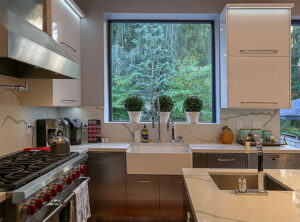
Single casement
one sash, hinged on one side, suited to smaller openings such as bathrooms and laundries
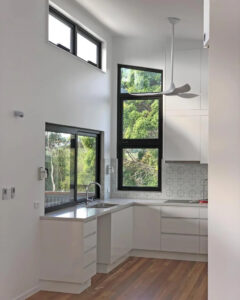
Double or French casement
a pair of sashes opening from the centre with no central mullion when both are open, common in living and dining areas
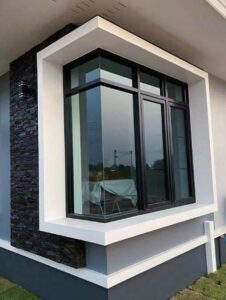
Corner casement combinations
two casement units joined at an angle to maximise light and outlook on corner rooms
Casement with integrated flyscreen
retains ventilation while keeping insects out, particularly relevant for homes near parks or waterways
Glazing options
Glazing options across all door types include standard double glazed units (DGU), low-E coated glass for improved solar control, and argon gas fill for additional thermal performance.

Why Choose Lumeta
Local Melbourne experience
Local Melbourne experience across homeowner replacement, renovation and new build/trade projects
Tailored consultation
Tailored consultation matching glazing specification to each room's orientation and the outcome you want
Installation standards
Installation standards focused on correct sealing, flashing and frame alignment, not just the product itself
Quality control
Quality control checks at final inspection before handover
Comfortable working
Comfortable working directly with builders, architects and developers on multi-window and whole-project specifications
Lumeta installs
Lumeta installs uPVC double glazed casement windows across metropolitan Melbourne, including the eastern suburbs (Glen Waverley, Doncaster), western suburbs (Point Cook, Williamstown), northern suburbs (Essendon, Preston) and south-east Melbourne (Brighton, Mordialloc).
Our Installation Process
Consultation
we discuss the brief, whether it's a homeowner replacement, renovation or new build specification, and the outcome you're after (thermal, acoustic, security or a combination).
Measurement and site assessment
a detailed on-site measure of each opening, checking the reveal is square and identifying any retrofit constraints before glazing specifications are confirmed.
Quote and glazing specification
a written quote covering frame configuration, glass build and hardware, matched to the room's orientation and your priorities.
Installation
removal of the existing frame where applicable, packing and squaring the new frame, sill flashing and continuous sealant application, then hardware fitting and sash alignment.
Final inspection and handover
checking that each sash closes with even compression, hardware operates smoothly, and the surrounding finish is complete before handover.
Why Installation Quality Matters as Much as the Glass
Casement vs. Other Window Types
| Window Type | Seal Type | Ventilation | Best Suited To |
| Casement | Full compression seal around the sash | Wide opening angle, strong airflow control | Living areas, bedrooms, energy-focused renovations |
| Sliding | Brush seal along the track | Moderate — half the opening at most | Spaces with limited swing clearance, e.g. near walkways |
| Awning | Compression seal, top-hinged | Good ventilation even in light rain | Bathrooms, laundries, ventilation in wet weather |
| Fixed | Fully sealed, no opening sash | None — light only | Feature windows, high or hard-to-reach openings |
uPVC vs. Aluminium Frames
| Factor | uPVC | Aluminium |
| Thermal performance | Multi-chamber profile limits heat transfer through the frame | Naturally conducts heat, increasing thermal bridging unless thermally broken |
| Maintenance | Won’t rot, rust or need repainting; occasional cleaning | Resistant to rust but can corrode near coastal air; finish can fade |
| Weight | Lighter, reducing load on hardware over time | Lightweight but strength relies on thinner sections |
| Condensation | Lower frame conductivity reduces condensation risk | Higher conductivity can increase condensation on the frame |
Maintenance, Lifespan and Common Buying Mistakes
uPVC casement frames are widely regarded as a low-maintenance option — regular cleaning with mild detergent and water is generally all the frame itself needs. Hardware such as hinges and multi-point locks benefits from periodic lubrication, and gasket seals are worth checking over the years to confirm they're still compressing evenly. Compared with timber, which needs repainting or resealing over time, uPVC frames are built to hold their finish without ongoing upkeep.
Choosing a frame colour before confirming the glazing specification, then finding the two don't align with the room's actual performance needs
Applying the same glass build across a whole house rather than matching Low-E coatings and glazing spec to each room's orientation
Focusing on price alone and unknowingly choosing a thinner frame chamber or lower-grade spacer bar that reduces real-world performance
Not checking an installer's sealing and finishing standard before booking, since fitting quality affects performance as much as the product
Underestimating the outward swing clearance a casement sash needs, which can clash with blinds, flyscreens or outdoor furniture
Skipping a proper site measurement and assuming a standard size will fit a non-standard, older-home opening
Frequently Asked Questions
What are uPVC casement windows?
Are uPVC casement windows worth it in Melbourne?
How much do double glazed casement windows cost in Melbourne?
How long do uPVC casement windows last?
Do uPVC casement windows need much maintenance?
Are casement windows secure?
Can double glazed casement windows reduce traffic noise?
Can I retrofit uPVC casement windows into an existing brick veneer home?
GET A TAILORED QUOTE
Ready to compare draughty, ageing windows with a properly sealed uPVC double glazed casement system? Contact Lumeta for a site measurement and a written quote tailored to your home or project across Melbourne.
Request Your Free Quote