Lumeta uPVC
uPVC vs Timber Windows: A Practical Comparison
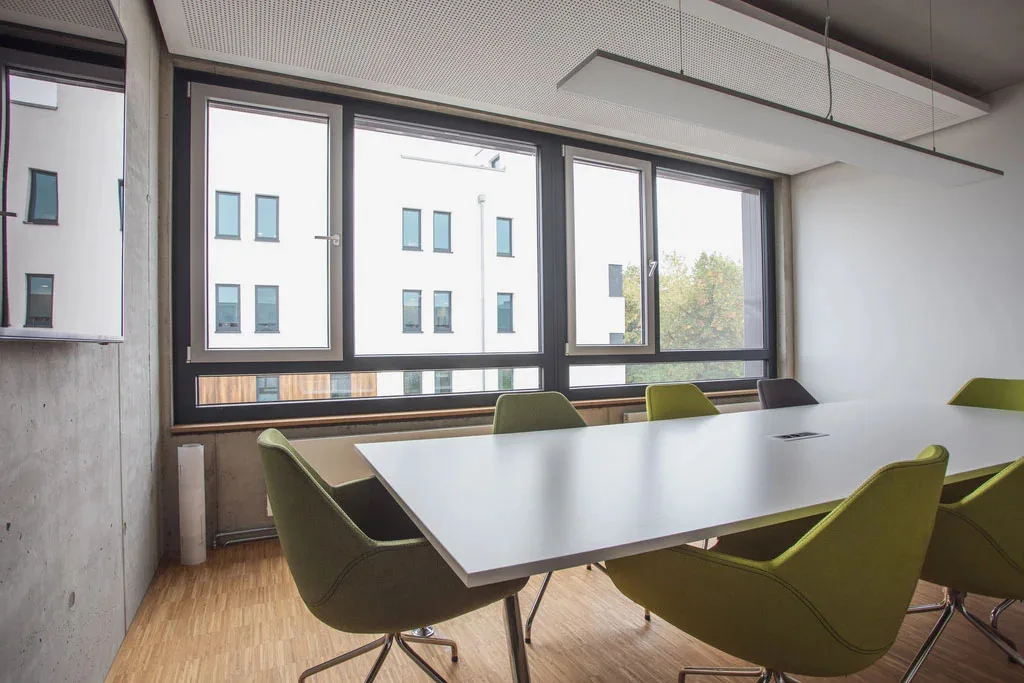
uPVC vs Timber Windows: Which Suits Your Melbourne Home?
A practical comparison of uPVC and timber window frames for Melbourne homes — maintenance, thermal performance, noise reduction, appearance, durability and cost — so you can choose with confidence for your renovation or new build.
In This Guide
Introduction
If you’ve started researching window replacement for an older Melbourne home, you’ve probably noticed timber and uPVC come up again and again. Both have a long history in Australian homes, and both have genuine strengths. The right choice usually comes down to what matters most to you: upkeep, thermal performance, budget, or matching a particular period style.
This guide walks through how uPVC and timber windows compare in practice, so you can make a decision based on your home, your renovation goals and how you actually want to live in the space.
Quick Answer
uPVC windows generally require less ongoing maintenance and offer strong thermal and acoustic performance when double glazed, while timber windows are often chosen for their traditional appearance and are commonly used in heritage-sensitive renovations. Many Melbourne homeowners now choose uPVC for its lower-maintenance profile, particularly when replacing ageing timber frames that have started to warp, swell or rot.
How uPVC and Timber Windows Are Made
Timber windows are crafted from solid or engineered wood, then painted or stained. The material has been used in Melbourne homes for well over a century, which is part of why it’s still closely associated with period properties.
uPVC (unplasticised polyvinyl chloride) windows are manufactured from a rigid, multi-chambered plastic profile. The internal chambers help the frame resist heat transfer, and the material doesn’t absorb moisture the way timber can. Most uPVC window systems, including those supplied by Lumeta, are paired with double glazing as standard rather than as an optional extra.
Maintenance Requirements
This is often the deciding factor for homeowners comparing the two.
Timber windows need regular attention. Paint or stain typically needs recoating every few years to protect the timber from Melbourne’s weather swings, and joints should be checked periodically for movement, cracking or early signs of rot, particularly in exposed positions like north or west-facing walls.
uPVC windows don’t need painting or staining. The frame colour is integrated into the material or applied as a durable foil finish, so it doesn’t rely on a surface coating to stay protected. Cleaning generally involves wiping down the frame and glass, and checking that hardware such as hinges and locks continues to operate smoothly.
Neither product is entirely maintenance-free, but uPVC generally requires less ongoing work than timber.
Thermal Performance and Energy Efficiency
Both materials can perform well thermally, but the details matter.
Timber is a naturally insulating material, which is one reason it has remained popular. However, the overall thermal performance of a timber window depends heavily on the glazing installed, the quality of the seals and how well the frame has been maintained over time. A timber window with ageing seals or single glazing will underperform compared with a new, well-sealed unit.
uPVC frames have multiple internal air chambers that help reduce heat transfer through the frame itself. When combined with double glazing, this can help reduce heat loss in winter and heat gain in summer, which may support more stable indoor temperatures. As with any window, actual performance depends on the complete system, including the glass specification, frame design and installation quality, not the frame material alone.
Noise Reduction
External noise is a common concern for homes near main roads, train lines or busy intersections around Melbourne.
Double glazing, whether fitted in a uPVC or timber frame, can help reduce the transfer of external noise compared with single glazing. The combination of two glass panes with an air or gas-filled gap between them is the main factor here, rather than the frame material itself. That said, uPVC’s sealing design and multi-chamber construction can contribute to a tighter overall seal, which may support acoustic performance alongside the glazing.
Appearance and Period Homes
Timber has traditionally been the default choice for Victorian, Edwardian and Californian bungalow-style homes across Melbourne, partly because of council heritage overlays that can restrict changes to street-facing facades.
Modern uPVC window systems have moved on considerably from earlier plastic-look products. Profiles are now available in a range of colours and foil finishes, including timber-look woodgrain finishes designed to reflect a more traditional appearance while retaining uPVC’s lower-maintenance properties. For non-heritage-listed homes, this gives renovators more flexibility to achieve a similar look without the ongoing upkeep of real timber.
If your property sits within a heritage overlay, it’s worth checking with your local council or a qualified building professional before finalising your window material, as requirements can vary depending on the property and applicable planning controls.
Durability and Lifespan
Timber windows, when properly maintained, can last for many decades and are often repairable rather than requiring full replacement. However, “properly maintained” is doing a lot of work in that sentence — neglected timber frames are prone to swelling, warping and rot, particularly around Melbourne’s wetter months.
uPVC windows are resistant to rot, corrosion and moisture absorption, and don’t require repainting to maintain their protective surface. They’re generally considered a long-lasting, lower-maintenance option, though like any building product, actual lifespan depends on installation quality, hardware care and the conditions the window is exposed to.
Cost Considerations
Pricing for both timber and uPVC windows depends on a range of project-specific factors, including:
- Window dimensions and configuration
- Number of units required
- Glass specification and glazing type
- Frame colour or finish
- Hardware selection
- Whether the project is a replacement or new construction
- Access and installation requirements
- Condition of existing frames (for replacements)
Because of this, it’s not accurate to quote a single fixed price for either material. Timber windows can vary significantly depending on the timber species and joinery involved, while uPVC pricing depends on the system, glazing and configuration chosen. For an accurate figure, it’s best to request a project-specific quotation based on your actual window sizes and requirements.
uPVC vs Timber: Comparison Table
| Factor | uPVC Windows | Timber Windows |
|---|---|---|
| Maintenance | Low — no painting required | Higher — periodic painting/staining needed |
| Moisture resistance | Resistant to rot and swelling | Can be prone to rot if not maintained |
| Thermal performance | Strong, especially with double glazing | Good, but depends on seals and glazing condition |
| Noise reduction | Supported by tight seals and double glazing | Depends primarily on glazing type |
| Appearance | Wide colour and foil finish range, including woodgrain finishes | Traditional, natural timber appearance |
| Heritage suitability | Increasingly used, but check local overlay requirements | Often preferred or required in heritage areas |
| Typical lifespan | Long-lasting with minimal upkeep | Long-lasting with consistent maintenance |
| Repairability | Component and hardware repairs available | Often repairable, including localised timber repairs |
This comparison is general in nature. Actual performance and suitability depend on the specific products, installation and building conditions involved.
Which Option Suits Different Situations
uPVC windows may suit your project if you:
- Are replacing draughty, ageing windows and want improved thermal comfort with less ongoing maintenance
- Are building a new home and want consistent performance with lower long-term upkeep
- Value low-maintenance living and don’t want to repaint or restain frames every few years
- Want a timber-look finish without the ongoing upkeep of real timber
Timber windows may suit your project if you:
- Are renovating a home with heritage requirements, particularly on street-facing facades within a heritage overlay
- Are prioritising a specific traditional aesthetic and want the authenticity of natural timber
- Are comfortable with periodic painting or staining as part of routine upkeep
Many Melbourne renovation and new-build projects also mix approaches, choosing different frame materials for different areas of the home based on style, heritage requirements and performance priorities in each space.
Frequently Asked Questions
- Is uPVC or timber better for Melbourne’s climate?
- Both can perform well when paired with quality double glazing. uPVC’s multi-chamber frame construction and lower maintenance needs make it a popular choice for withstanding Melbourne’s seasonal temperature swings without ongoing upkeep.
- Do uPVC windows look cheap compared to timber?
- Modern uPVC window systems are available in a range of colours and foil finishes, including woodgrain finishes designed to resemble timber. Appearance has moved on considerably from older-style plastic window products.
- Can I install uPVC windows in an older Melbourne home?
- In many cases, yes. uPVC windows can be installed in existing homes as part of a renovation, though heritage-listed properties or those within a heritage overlay may have specific requirements that should be checked with your local council.
- Do timber windows need more maintenance than uPVC?
- Generally, yes. Timber typically needs periodic repainting or restaining and regular checks for movement or moisture damage, while uPVC does not require painting to maintain its surface.
- Which option offers better noise reduction?
- Noise reduction is primarily influenced by the glazing (double glazing) rather than the frame material. Both uPVC and timber frames can be fitted with double glazing to help reduce external noise transfer.
- Is uPVC cheaper than timber?
- Pricing depends on the specific project, including window sizes, configuration, glazing and finish selected. It’s best to request a project-specific quotation for an accurate comparison based on your home.
- Can timber windows be repaired instead of replaced?
- In many cases, yes, particularly for localised damage. However, widespread rot, warping or seal failure may make full replacement more practical. An assessment of the existing frames is the best way to determine which approach suits your situation.
- Are uPVC windows suitable for new home builds?
- Yes. uPVC double glazed windows are commonly specified for new builds by builders and homeowners seeking a durable, lower-maintenance option from the outset.
Get a Project-Specific Quote →