Built for Melbourne's Climate,
Lumeta supplies and installs UPVC double glazed windows across Melbourne for two distinct projects: new home builds and renovations specified by architects, builders, and developers, and window replacements for homeowners upgrading from old aluminium or timber frames. Multi-chamber UPVC profiles paired with double glazed insulated glass units (DGUs) cut heat transfer, reduce external noise, and bring window performance up to current NatHERS and BASIX expectations.
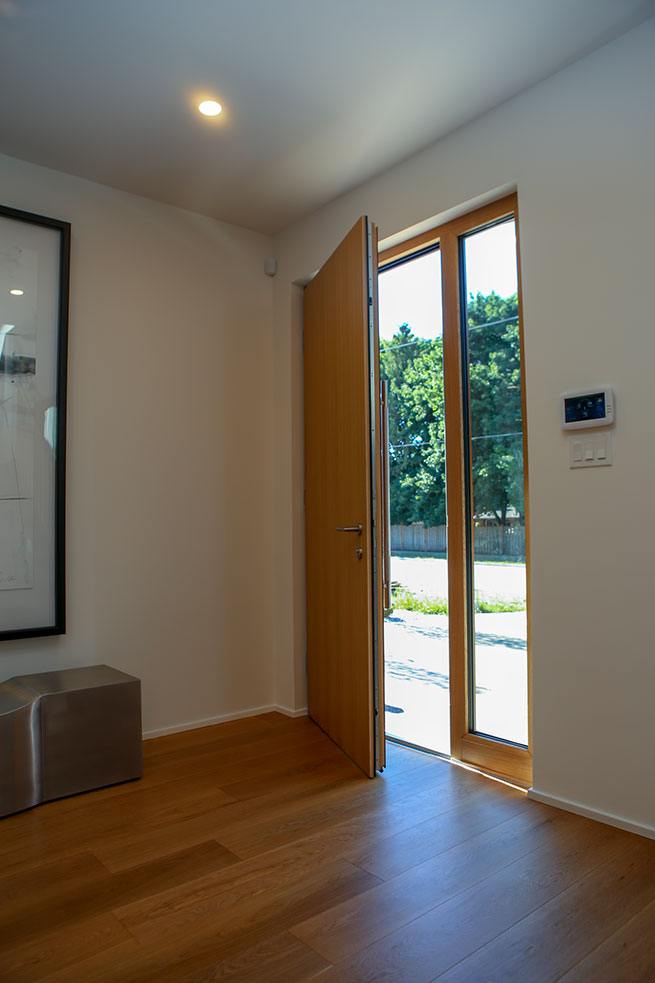
UPVC double glazed windows are window units built from unplasticised polyvinyl chloride (UPVC) frames fitted with two panes of glass separated by a sealed air or argon-filled gap. The frame material resists heat transfer, moisture, and warping, while the double glazed unit reduces heat loss, external noise, and condensation. In Melbourne, this combination is used in both new home construction and as a direct replacement for ageing aluminium or timber windows.
For Homeowners Replacing Existing Windows
If your home has original aluminium frames from the 1980s or 90s, or timber frames that have started to swell, stick, or let in draughts, you'll typically notice it first as a winter heating bill that keeps climbing, condensation pooling on the glass each morning, or street and neighbour noise that single glazing simply doesn't stop. UPVC double glazed replacement windows address all three without the cost or disruption of a full renovation most homes are completed in a day or two per room, frame-for-frame, with no structural work to walls or reveals in the majority of cases.
For Builders, Architects, and Developers
On a new build or major renovation, window selection affects the NatHERS energy rating, BASIX compliance (where applicable), acoustic performance near busy roads, and the long-term maintenance burden the client will carry. UPVC double glazed systems are specified into new builds because multi-chamber frame profiles combined with double glazing deliver measurable thermal performance improvements over single-glazed aluminium, supporting higher star ratings without redesigning the building envelope. Lumeta works directly with architects and builders on specification, supply timelines, and on-site coordination for both project homes and custom builds across Melbourne. Whichever side of the project you're on, the same questions apply: how much heat and noise does the window actually stop, what does installation involve, and what will it cost. The rest of this page answers all three.
Benefits of UPVC Double Glazed Windows
UPVC double glazing is specified for measurable performance reasons, not just comfort claims. Here's what the combination of frame material and glazing actually changes:
Thermal insulation
Multi-chamber UPVC profiles trap air within the frame itself, while the double glazed unit (DGU) adds a second insulating layer at the glass. Together they reduce heat transfer in winter and heat gain in summer, easing the load on heating and cooling systems.
Acoustic insulation
The air or argon gap between panes, combined with the dense, non-resonant UPVC frame, reduces transmission of external noise relevant for homes near arterial roads, train lines, or under flight paths.
Condensation reduction
Because the internal pane stays closer to room temperature, less moisture condenses on the glass compared with single glazing or cold aluminium frames reducing mould risk on sills and architraves.
Low maintenance
UPVC does not rot, rust, corrode, or require repainting. It typically needs only periodic cleaning and a check of seals and hardware.
Weather resistance
UPVC frames resist moisture ingress, UV degradation, and the expansion/contraction cycles that cause timber to warp or aluminium seals to fail over time.
Improved security
Multi-point locking hardware, reinforced frame chambers, and laminated or toughened glass options support stronger resistance to forced entry than older single-locking aluminium windows.
Energy efficiency
Lower U-values and, where specified, low-E glass coatings and argon gas fill reduce energy transfer through the window, supporting better NatHERS outcomes on new builds and lower running costs on replacements.
Types of UPVC Windows We Supply and Install
Lumeta's UPVC window range covers the configurations used across Melbourne's housing stock and new build typologies, from period home replacements to project-home and architectural new builds.
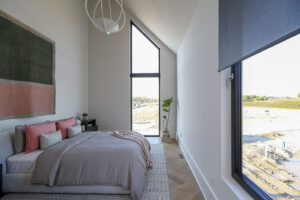
Casement windows
Side-hinged, opening outward via a crank handle. Strong sealing performance and full opening for ventilation a common choice for both replacements and new builds.
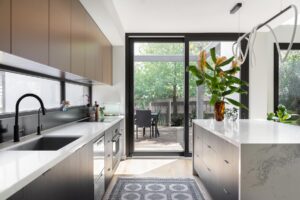
Tilt and turn windows
Open inward on a tilt for secure ventilation, or fully turn inward on a side hinge for cleaning and egress. Popular in European-influenced new builds and double-glazed retrofits where ease of cleaning from inside matters.
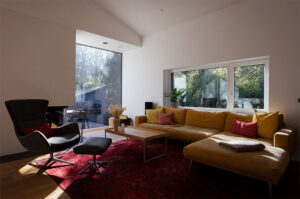
Sliding windows
Horizontal sliding sashes that don't project outward useful where external clearance is limited, such as near walkways or balconies.
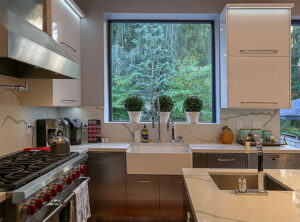
Fixed windows
Non-opening glazing for maximum thermal and acoustic performance where ventilation isn't required, often used alongside opening windows in living areas and feature glazing.
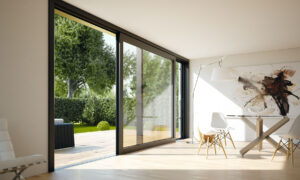
Awning windows
Top-hinged, opening outward, allowing ventilation even during light rain well suited to bathrooms, kitchens, and bedrooms.
UPVC Doors to Match
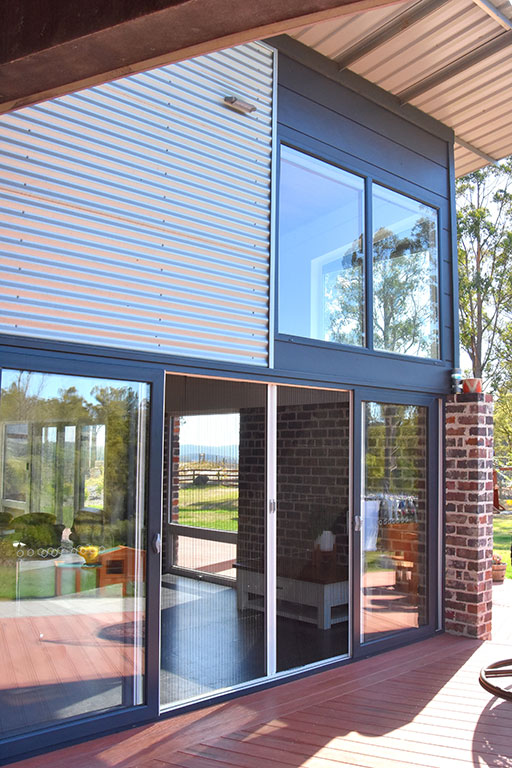
For a consistent thermal and visual envelope, Lumeta also supplies UPVC doors alongside window packages on both replacement and new build projects:
Why Choose Lumeta
Local Melbourne expertise
Our consultation and installation approach accounts for Melbourne's specific climate swings hot, dry summers and cold, damp winters and the building stock common across the city's eastern, western, northern, and south-eastern suburbs.
Installation standards
Frame fitting, sealing, and weatherproofing are carried out to manufacturer specification, including correct shimming, multi-point fixing, and sealant detailing around reveals to prevent thermal bridging and water ingress at the frame junction.
Quality control
Every installation is checked against AS 2047 performance requirements for windows and doors in Australian buildings, with attention to glazing seal integrity and hardware operation before sign-off.
Tailored consultation
Homeowners and trade clients each get a process suited to their project a single in-home consultation for replacements, or coordinated specification and supply scheduling for builders and architects managing multiple openings across a build.
""We don't promise the lowest price in Melbourne — we focus on a correctly specified, correctly installed window that performs for years, not just on the day it's fitted.""
Our Process
Consultation
We discuss your project (replacement or new build), priorities (thermal, acoustic, security, aesthetics), and any planning or heritage overlay considerations.
Measurement
Precise on-site or plan-based measurement of each opening, checking reveal condition, square, and existing frame type for replacements.
Quote
A detailed, itemised quote covering frame profile, glazing specification, hardware, and installation scope no vague allowances.
Installation
Old frames removed (for replacements) or new frames fitted into prepared openings (for new builds), with full sealing, insulation of the frame gap, and weatherproofing detail at every junction.
Final inspection
Operation, locking hardware, and seals are checked on every window before handover, with a walkthrough so you know how to operate and maintain your new windows.
UPVC vs Aluminium Windows
UPVC vs Aluminium Windows
| Factor | UPVC | Aluminium |
|---|---|---|
| Thermal conductivity | Low — frame insulates against heat transfer | High — frame conducts heat and cold readily |
| Condensation risk | Reduced — frame stays closer to room temperature | Higher — cold frame surface attracts condensation |
| Maintenance | Low — no rust, no repainting required | Low-moderate — generally durable but can corrode near coastal air |
| Acoustic performance | Strong — dense frame plus sealed glazing | Moderate — thinner frame profile, more sound transmission |
| Typical lifespan | Commonly 35+ years with correct installation | Commonly 30+ years, frame does not degrade structurally |
| Upfront cost | Moderate to higher, offset by energy savings | Generally lower upfront cost |
Double Glazed vs Single Glazed Windows
| Factor | Double Glazed | Single Glazed |
|---|---|---|
| Thermal insulation (U-value) | Lower U-value — two panes plus sealed gas-filled gap reduce heat transfer | Higher U-value — single pane offers minimal insulation |
| Noise reduction | Significant reduction from the air/argon gap and second pane | Minimal — sound passes through one pane largely unimpeded |
| Condensation | Reduced inner pane surface temperature stays higher | Common, particularly in winter mornings |
| Energy bills | Lower heating and cooling demand over time | Higher demand to compensate for heat loss/gain |
| Glass weight/cost | Heavier units, higher upfront glazing cost | Lighter, lower upfront glazing cost |
What Affects UPVC Double Glazed Window Pricing in Melbourne
We don't publish fixed per-window prices because the same configuration can cost differently depending on the specifics of your opening and project. The factors below are what actually drive the quote:
Window size and configuration
Larger openings and multi-panel configurations (e.g., combination casement and fixed units) use more frame and glass than a single standard-size window.
Glazing specification
Standard double glazing, low-E coated glass, argon gas fill, and laminated or acoustic glass each carry different glass costs based on performance level required.
Hardware selection
Multi-point locking systems, security-rated hardware, and finish/colour options on handles and hinges affect the hardware line of the quote.
Installation complexity
Replacement projects vary by existing frame condition, reveal squareness, and access; new build installation depends on opening preparation and the number of units being installed in a single visit.
Project scope
A single replacement window is quoted differently to a whole-of-house replacement or a multi-unit new build supply, where per-unit costs are typically more efficient.
Frequently Asked Questions
What is UPVC and why is it used in windows?
Are UPVC double glazed windows worth it for a Melbourne home?
How much do double glazed UPVC windows cost in Melbourne?
How long do UPVC double glazed windows last?
Do UPVC windows need much maintenance?
Can UPVC double glazed windows be installed in an existing home, or only new builds?
Will double glazed windows actually reduce my energy bills?
Are tilt and turn UPVC windows secure?
What warranty applies to Lumeta's UPVC windows and doors?
Do UPVC windows suit heritage or period homes in Melbourne?
How long does window replacement installation take?
Get Your Free UPVC Window Quote
Whether you're replacing tired aluminium or timber windows in an existing Melbourne home, or specifying UPVC double glazing for a new build or renovation, Lumeta provides a measured, itemised quote with no obligation.
Contact Us