Lumeta uPVC
Complete Guide to uPVC Windows in Melbourne
uPVC Windows Melbourne: The Complete Guide to Performance, Styles & Pricing
Everything Melbourne homeowners and builders need to know about uPVC windows how they handle condensation,
heat, cold and noise, which styles suit which rooms, and how they compare to aluminium and timber.
In This Guide
An old aluminium window that sweats with condensation every winter morning, a timber frame that’s swollen
shut for years, or a bedroom that never quite loses the traffic noise from the street outside — these are the
everyday problems that get Melbourne homeowners searching for a better window option.
uPVC windows have become one of the most common answers to these problems, both in new homes
and in older properties being renovated. This guide explains what uPVC windows actually are, how they perform
in Melbourne’s conditions, what styles are available, what affects pricing, and how they compare to the
aluminium and timber windows most Melbourne homes were originally built with.
What Are uPVC Windows?
uPVC is a rigid plastic material used to manufacture window and door frames. Unlike the flexible PVC used in
plumbing pipes, uPVC contains no added plasticisers, which is what gives it the strength and dimensional
stability needed for a window frame.
A uPVC window frame is typically built from a multi-chambered profile. These internal chambers act as air
pockets that slow down heat transfer through the frame itself, which matters because the frame makes up a
meaningful portion of a window’s total surface area. Steel reinforcement is usually built into larger
sections of the frame to maintain structural strength, particularly for bigger openings.
uPVC frames are available in a range of colours and foil finishes, including white, anthracite grey, black
and woodgrain finishes that replicate the appearance of painted or stained timber without the associated
upkeep.
How uPVC Windows Perform in Melbourne Homes
Melbourne’s climate moves between cold, damp mornings and hot, dry afternoons, sometimes within the same day.
This variability puts real demands on a window system.
Thermal Comfort
The insulating properties of a uPVC frame, combined with an appropriate glazing specification, can help
reduce heat loss during Melbourne’s cooler months and reduce heat gain during summer. This can contribute to
a more stable indoor temperature, though the overall result always depends on the whole window system, the
glass specification, the building’s orientation and how well the window is installed.
Condensation
Condensation typically forms when warm, moist internal air meets a cold internal surface, such as a
single-glazed aluminium frame on a cold morning. uPVC frames don’t conduct heat as readily as aluminium, so
the internal frame surface tends to stay closer to room temperature, which can help reduce the conditions
that lead to condensation forming on the frame itself. Ventilation and household humidity levels also play a
significant role.
Noise
The combination of a well-sealed uPVC frame and a double-glazed unit can help reduce the transmission of
outside noise compared with an older single-glazed aluminium window, although the degree of improvement
depends on the specific glass configuration and the rest of the building envelope.
Weather Sealing
uPVC frames use compression seals around the sash, which can help reduce draughts compared with older, worn
window seals commonly found in ageing aluminium or timber frames.
performance always depend on the frame, the glazing specification and installation quality working together
as one system.
uPVC Windows and Double Glazing
Most uPVC windows installed in Melbourne today are specified with double glazing, meaning two panes of glass
separated by a sealed air or gas-filled gap. This combination is often referred to as
uPVC double glazed windows or double glazed uPVC windows.
The uPVC frame and the double-glazed unit work as a system. The frame reduces heat transfer through the
perimeter of the window, while the double glazing reduces heat transfer through the glass itself. Additional
options within the glazing can further adjust performance:
- Low-E (low-emissivity) coatings reflect radiant heat while still allowing visible light through
- Argon gas fill between the panes is less conductive than ordinary air, which can further reduce heat transfer
- Acoustic laminated glass uses an interlayer designed to dampen sound transmission, useful for busy roads or flight paths
- Solar control glass can help manage heat gain on north or west-facing windows that receive strong afternoon sun
The right combination depends on the orientation of each window, the room it serves and the specific issue
being addressed, whether that’s noise, heat, cold or glare. This is worth discussing on a room-by-room basis
rather than applying one glazing specification to an entire home.
Popular uPVC Window Styles
Casement Windows
Casement windows are hinged on one side and open outward using a handle. They’re a common choice across
Melbourne homes because the sash presses firmly against the frame seals when closed, which supports a tight
seal against draughts.
Sliding Windows
uPVC sliding windows move horizontally along a track rather than opening outward. They’re often chosen where
external clearance is limited, such as along a walkway, balcony or narrow side setback, or where a wide
opening with an unobstructed view is preferred.
Tilt and Turn Windows
Tilt and turn windows offer two opening functions in one sash: tilting inward from the top for secure
ventilation, or swinging fully inward on a side hinge for cleaning or ventilation. These are popular in
apartments and townhouses where easy cleaning from inside is important and where the window may be above
ground level.
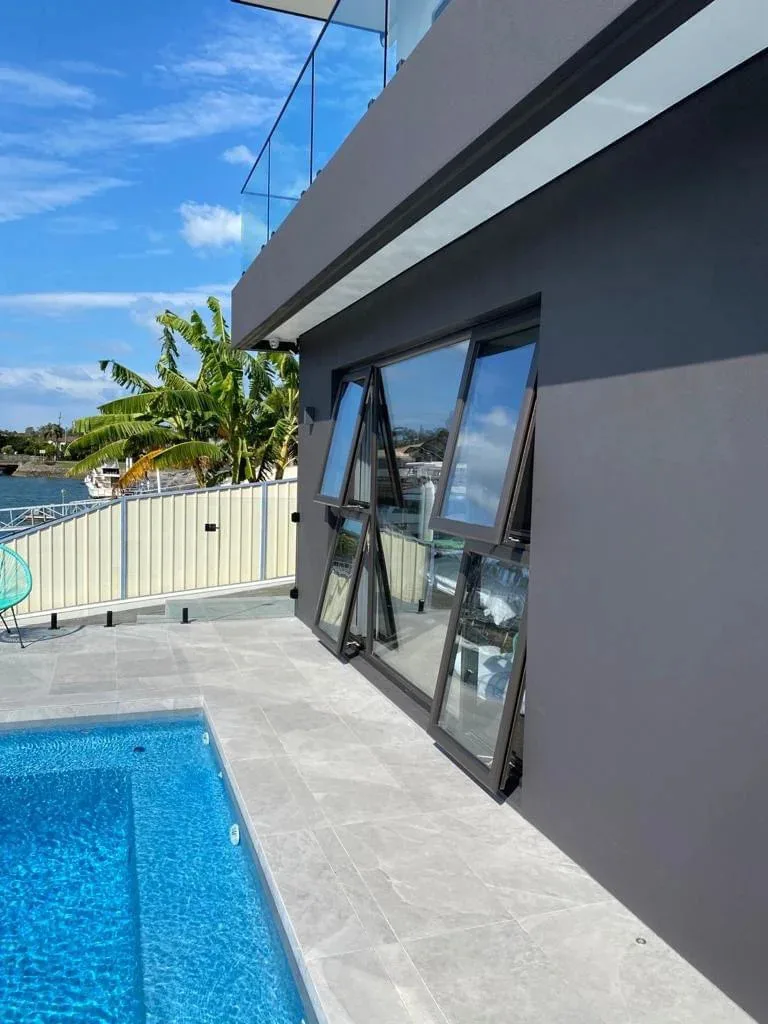
Awning Windows
Awning windows are hinged at the top and open outward, allowing ventilation even during light rain. They’re a
common choice for bathrooms, kitchens and other spaces where a smaller opening high on the wall works well.
Fixed Windows
Fixed uPVC windows don’t open at all, which allows for larger areas of glass without the hardware and sealing
requirements of an operable sash. They’re often combined with an adjacent opening window, such as a casement
or awning, to bring in natural light while still allowing ventilation.
uPVC vs Aluminium vs Timber Windows
| Feature | uPVC | Aluminium | Timber |
|---|---|---|---|
| Thermal performance | Generally strong due to multi-chambered frame | Conducts heat readily unless thermally broken | Naturally insulating but performance varies with age and condition |
| Condensation resistance | Frame surface stays closer to room temperature | More prone to condensation on frame without a thermal break | Can perform well if well-maintained and sealed |
| Maintenance | Does not need painting; wipes clean | Low maintenance; may show wear on seals over time | Requires periodic painting, sealing or staining |
| Durability | Resistant to rust and rot; UV-stable finishes available | Resistant to rust; can dent | Can warp, rot or swell if not maintained |
| Weight & structural spans | Suited to most residential openings; steel-reinforced for larger sizes | Slim sightlines suit larger commercial-style openings | Heavier; spans depend on species and section size |
| Appearance | Wide colour and foil finish range, including woodgrain | Slim frames, wide colour range including powder coat | Natural timber appearance, can be painted or stained |
uPVC Windows for New Homes and Builders
For new construction, uPVC windows and doors can be specified from the design stage, which allows glazing
performance to be planned around each room’s orientation, ventilation requirements and acoustic
considerations. Builders, architects and developers working on new homes or multi-unit developments in
Melbourne often look at uPVC window and door packages as part of the overall building envelope strategy,
alongside insulation and other energy-efficiency measures.
Supply-only arrangements are also available for trade clients managing their own installation, along with
support for window scheduling and specification across multi-lot developments.
Maintenance and Lifespan
uPVC windows generally require less ongoing maintenance than timber frames, since they don’t need periodic
painting or staining. Routine care typically involves:
- Wiping frames down with a mild detergent and water
- Keeping drainage channels clear of debris
- Checking and occasionally lubricating hardware such as hinges and handles
- Inspecting seals periodically for wear
With reasonable care, uPVC windows are designed to provide a long service life, though actual lifespan
depends on the quality of the frame, the glazing specification, installation quality and the conditions the
windows are exposed to.
Choosing the Right uPVC Windows for Your Project
A few practical questions can help narrow down the right specification:
- Which rooms are affected by draughts, cold, heat, noise or condensation right now?
- Does the room need ventilation, unobstructed views, easy cleaning access, or maximum natural light?
- Is this a full replacement, a partial renovation, or a new build?
- Are there specific noise sources, such as a nearby road, that should influence the glazing choice?
- What frame colour or finish will suit the home’s exterior and interior?
Different rooms often call for different window styles and glazing specifications within the same home, so
it’s worth assessing each opening rather than applying a single specification across the whole project.
Frequently Asked Questions
- Are uPVC windows worth it in Melbourne?
- Many homeowners choose uPVC windows for their potential to improve thermal comfort, reduce draughts and lower ongoing maintenance compared with older single-glazed timber or aluminium frames. Whether they’re the right choice depends on your specific home, budget and priorities.
- How much do uPVC windows cost in Melbourne?
- Costs vary depending on window size, style, glazing specification, hardware, frame colour and whether it’s a replacement or new-build project. A project-specific quotation is the most accurate way to understand pricing.
- How long do uPVC windows last?
- Lifespan depends on frame quality, glazing specification, installation and exposure conditions, but uPVC windows are designed for long-term residential use with relatively low maintenance.
- Do uPVC windows reduce condensation?
- uPVC frames stay closer to room temperature than aluminium, which can help reduce the conditions that lead to condensation forming on the frame. Household ventilation and humidity levels also play a significant role.
- Can uPVC windows replace old timber or aluminium windows?
- Yes, uPVC windows are commonly installed as replacements for ageing timber or aluminium frames in established Melbourne homes, following an assessment of the existing openings.
- Are uPVC windows suitable for new builds?
- Yes, uPVC windows are frequently specified for new homes and developments, often planned from the design stage alongside other energy-efficiency measures.
- What is the difference between double glazing and uPVC?
- uPVC refers to the frame material, while double glazing refers to the glass itself — two panes with a sealed gap between them. Most uPVC windows are installed with double glazing, but the two terms describe different parts of the window system.
- What type of uPVC window is best for ventilation?
- Awning and tilt and turn windows are commonly chosen for ventilation, as they can be left open securely in various weather conditions. The best choice depends on the room and its exposure.
- Do uPVC windows suit older Melbourne homes?
- uPVC windows are available in a range of colours and finishes, including woodgrain foils, which can suit period and character homes. Suitability also depends on the existing openings and any heritage considerations that may apply to the property.
Considering uPVC windows for your Melbourne home or next build?